Zero-Landfill Waste-to-Energy for Island Communities
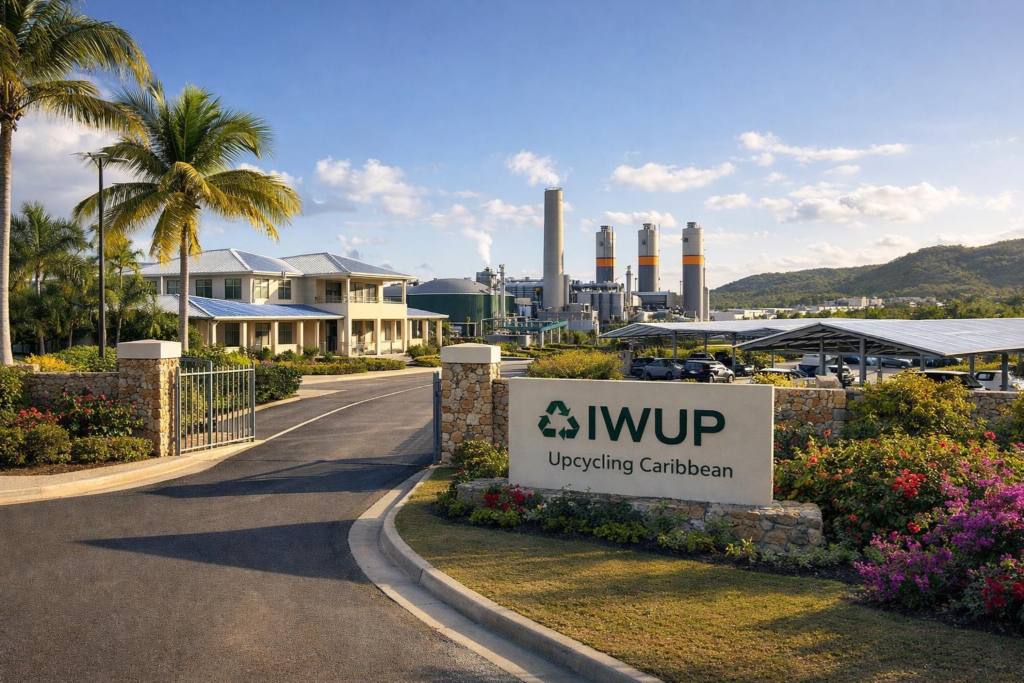
The Caribbean generates over 33,000 tons of solid waste daily, with most islands landfilling over 90% of it. Rising sea levels, limited land, and aging infrastructure make this an existential crisis — not just an environmental one. Upcycling Caribbean solves this with Integrated Waste Upcycling Plants (IWUP) that convert municipal solid waste into clean energy, construction materials, and advanced carbon products.
The Technology: JFE Shaft-Type Gasification
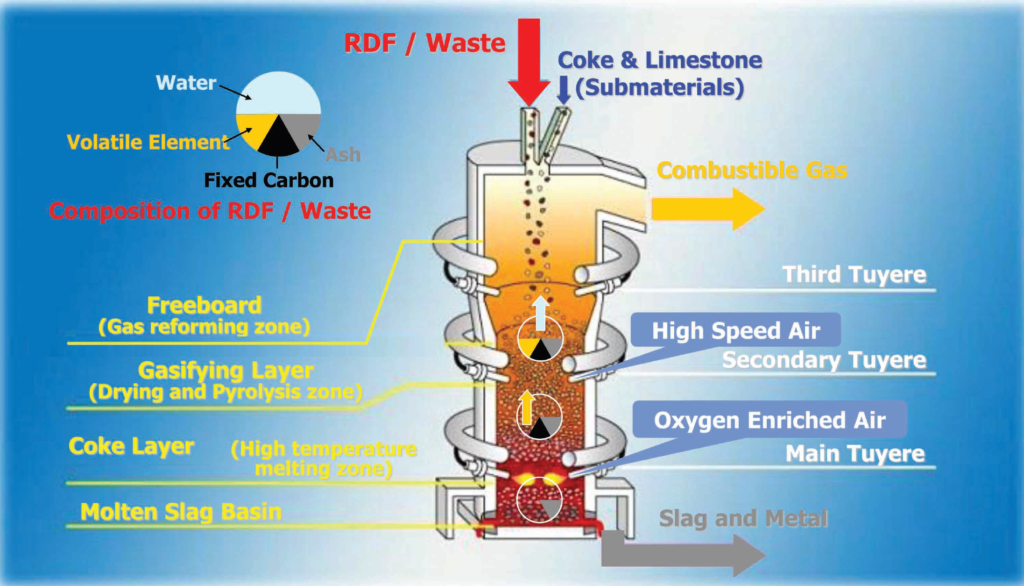
IWUP plants are built around JFE Engineering’s proven shaft-type gasifier — 10 commercial plants operating since 2003 with over 2 million hours of runtime. The system processes unsorted MSW at 850°C with continuous slag discharge, achieving dioxin emissions of 0.000053 ng-TEQ/m³N (effectively zero) and greater than 30% power generation efficiency. No pre-sorting required. No toxic ash. The slag output becomes construction aggregate.
Pyrolyosis
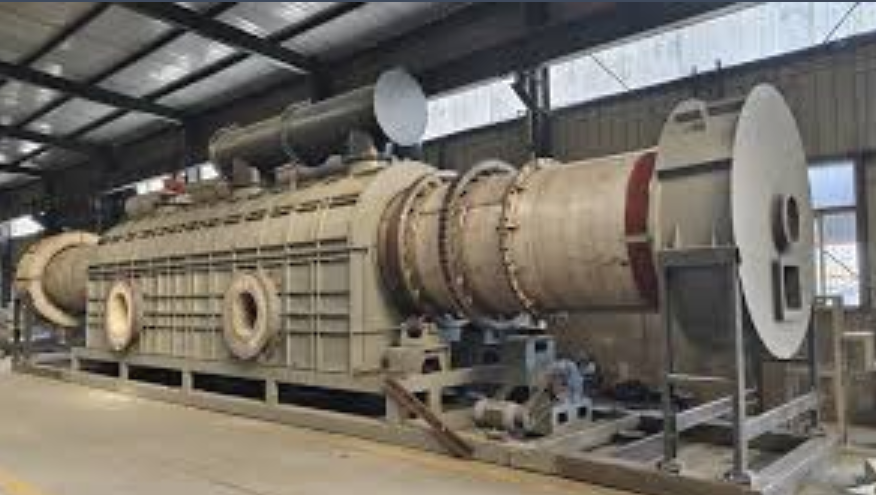
Pyrolysis is the thermal decomposition of organic materials at elevated temperatures (400–900°C) in the absence of oxygen. Unlike incineration, which burns waste in open air, pyrolysis breaks down molecular bonds without combustion — producing syngas, bio-oil, and solid carbon residues rather than ash and emissions. ANMM uses pyrolysis as a core process step in both our IWUP waste-to-energy systems and our graphene production pipeline, converting waste plastics, biomass, and municipal solid waste into high-value outputs including carbon nanomaterials, clean fuel gas, and construction-grade aggregate. Nothing burns. Everything transforms.
Biodigesters
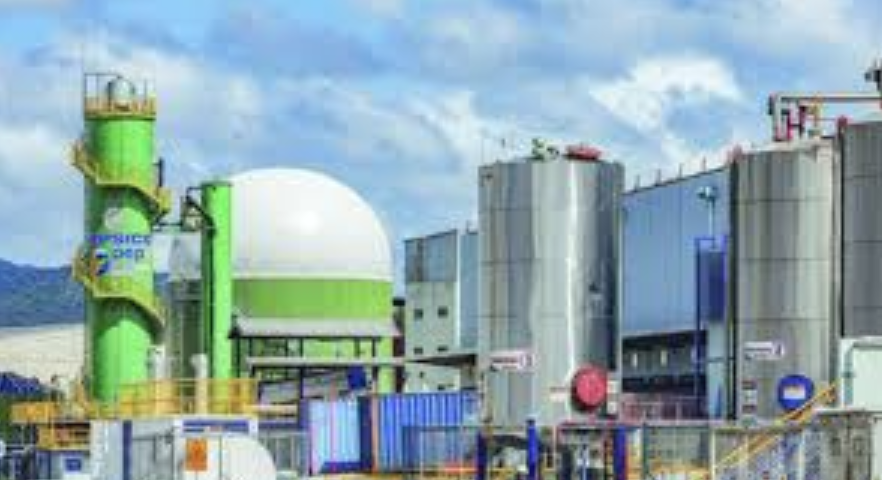
Biodigesters use anaerobic digestion — microbial breakdown of organic matter in the absence of oxygen — to convert food waste, agricultural residues, and sewage into biogas (methane and CO₂) and nutrient-rich digestate. The biogas fuels generators or feeds directly into natural gas pipelines, while the digestate becomes fertilizer. In the IWUP system, biodigesters handle the wet organic fraction of municipal solid waste that gasification cannot efficiently process, creating a complementary front-end that maximizes energy recovery from every ton of waste. No material is wasted. Wet waste becomes power and soil amendment; dry waste goes to the gasifier.
Renewable Natural Gas Power Generation
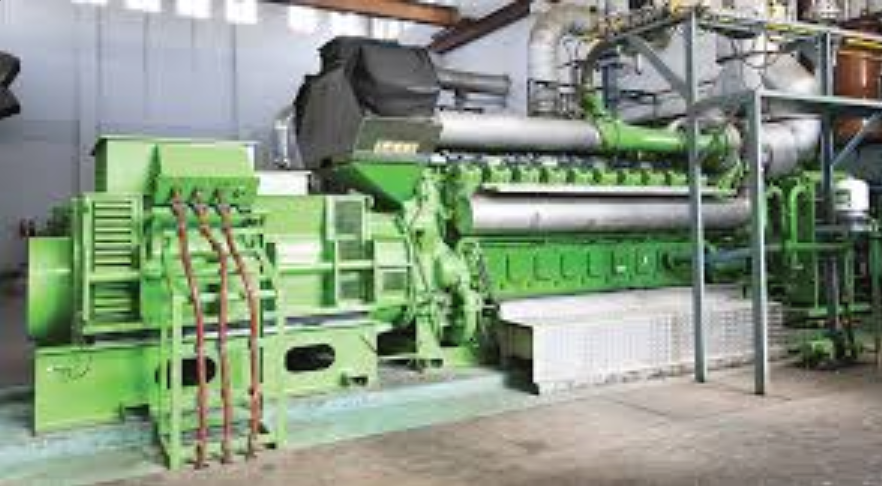
IWUP facilities convert cleaned syngas and biogas into grid-ready electricity using Jenbacher gas engines — the industry standard for distributed power generation from non-conventional fuel sources. Jenbacher engines are specifically engineered to run on variable-composition gases including renewable natural gas (RNG) derived from waste gasification and anaerobic digestion, delivering electrical efficiencies above 40% with combined heat and power (CHP) configurations reaching 90%+ total energy recovery.
Each IWUP installation pairs its gasification and biodigester outputs with Jenbacher gensets sized to the facility’s throughput — typically 1–5 MW per unit for island-scale deployments. The engines operate continuously on baseload, feeding power directly into the local grid and displacing imported diesel generation. For Caribbean island communities currently paying $0.35–0.55/kWh for diesel-fired electricity, IWUP-generated power represents both cost savings and energy independence from fuel shipments.
The RNG pathway — waste to gas to engine to grid — closes the loop: municipal solid waste that once filled landfills now keeps the lights on
Current Projects: U.S. Virgin Islands
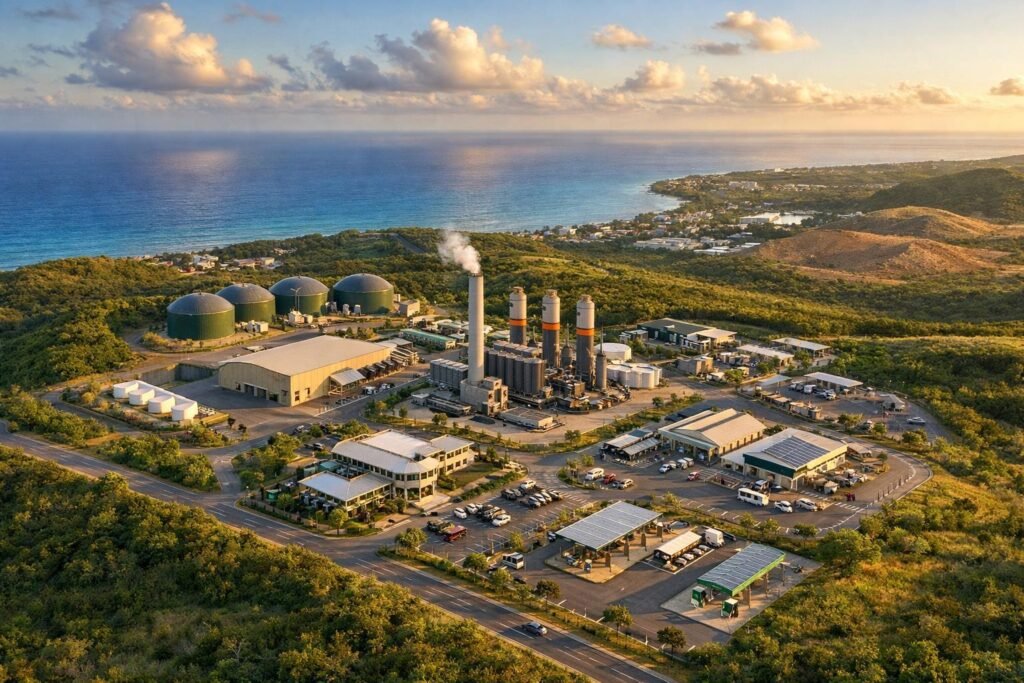
Upcycling Caribbean is actively developing IWUP facilities for the U.S. Virgin Islands, where the Bovoni landfill on St. Thomas and the Anguilla landfill on St. Croix are at or beyond capacity. Our facilities will process 100+ tons per day of MSW while generating baseload electricity for the local grid and producing graphene-grade carbon materials as a high-value byproduct.
Outputs From Every Ton of Waste
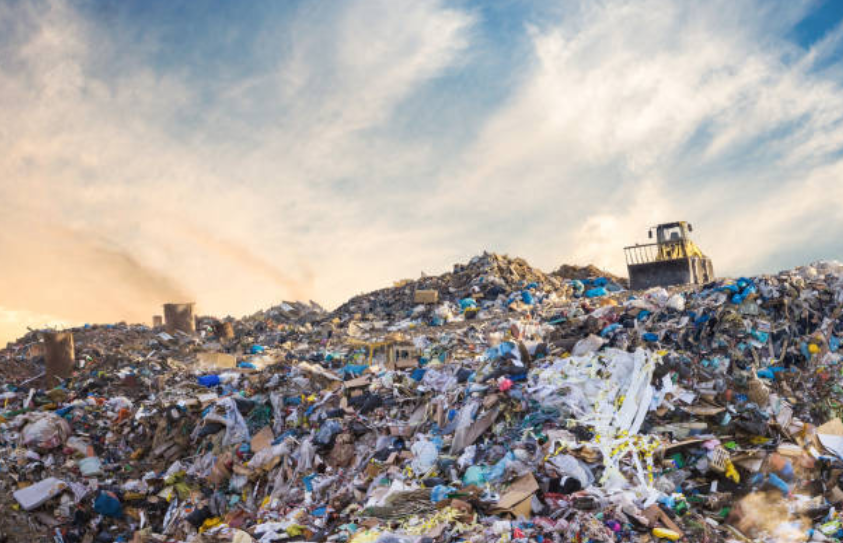
Each IWUP facility produces: clean syngas for power generation, vitrified slag for road base and construction aggregate, recovered metals for recycling, and carbon nanomaterials for ANMM’s advanced materials pipeline. Nothing goes to landfill. Every input becomes a product.
Sargassum Recovery & Processing
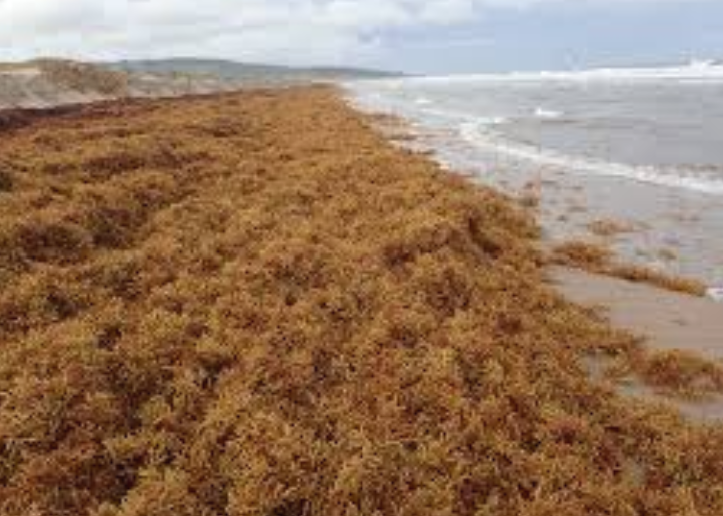
The Caribbean faces record-breaking sargassum inundation — millions of tons of seaweed washing ashore annually, smothering beaches, releasing toxic hydrogen sulfide gas, and overwhelming landfills that are already at capacity. Most islands treat it as waste. ANMM treats it as feedstock.
Upcycling Caribbean converts abandoned coastal warehouse facilities into sargassum processing hubs. Collected seaweed is washed to remove sand, salt, and heavy metals (including arsenic concentrations that can exceed 125 ppm in raw biomass), then dried and stored for year-round availability — solving the seasonal supply problem that has stalled other sargassum ventures.
From storage, dried sargassum is routed to whichever IWUP process extracts the most value:
Biodigestion — Co-digested with municipal organic waste to produce biogas and nutrient-rich digestate fertilizer. Co-digestion with MSW dramatically improves methane yield compared to sargassum alone, while the seaweed’s mineral content enriches the fertilizer output.
Pyrolysis — Thermal decomposition at 400–900°C in the absence of oxygen converts dried sargassum into biochar, bio-oil, and syngas. The biochar serves as a soil amendment or activated carbon product.
Gasification — Processed through the JFE shaft-type gasifier alongside other dry waste streams, producing clean syngas for power generation and vitrified slag for construction aggregate.
Compost — Using Green Mountain Technologies’ commercial composting systems, washed sargassum is blended with local green waste and processed into agricultural-grade soil amendment for Caribbean farms — turning a coastal nuisance into food security infrastructure.
The warehouse model is designed to replicate across every affected Caribbean island: low capital cost, immediate job creation, and a processing pipeline that converts an environmental crisis into energy, materials, and agricultural products.
Contact
To discuss IWUP deployment for your island or coastal community, contact us at greg@anmm-usa.com or call 786-505-0164.